- Home
- Villages of Crete
- Margarites Village
This page may contain affiliate links, see our disclaimer here.
Margarites Village

By Katia Luz
Crete, Greece
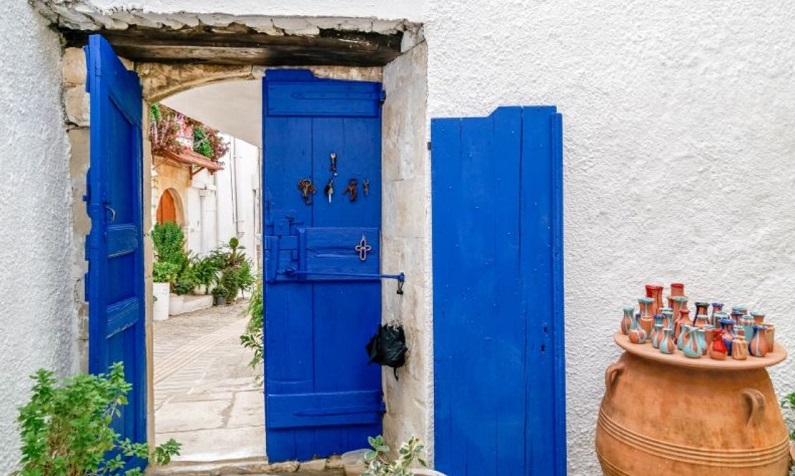
The village of Margarites Μαργαρίτες, 30 km south-east from Rethymnon town in the centre of the island of Crete in Greece, is reknowned for its ceramics.
About Margarites
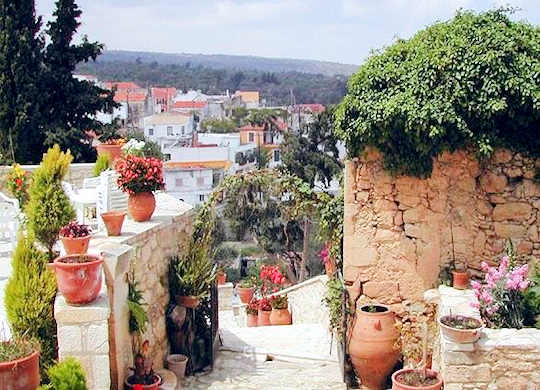
Located in picturesque green
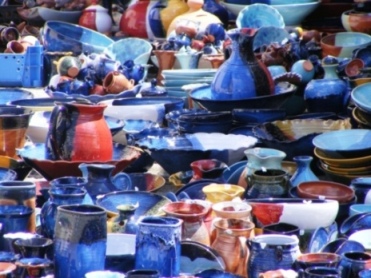
rolling hills of the Rethymnon region, the village is well known for its pottery, and attracts
large tour buses in the busy season. After the rushed tourists have
left, it is then possible to stroll around this very charming village
and enjoy the many pottery studios.
The tradition of pottery goes back many generations in this village and
you will be able to find an elder to show you how the pots are hand
thrown.
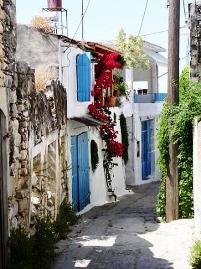
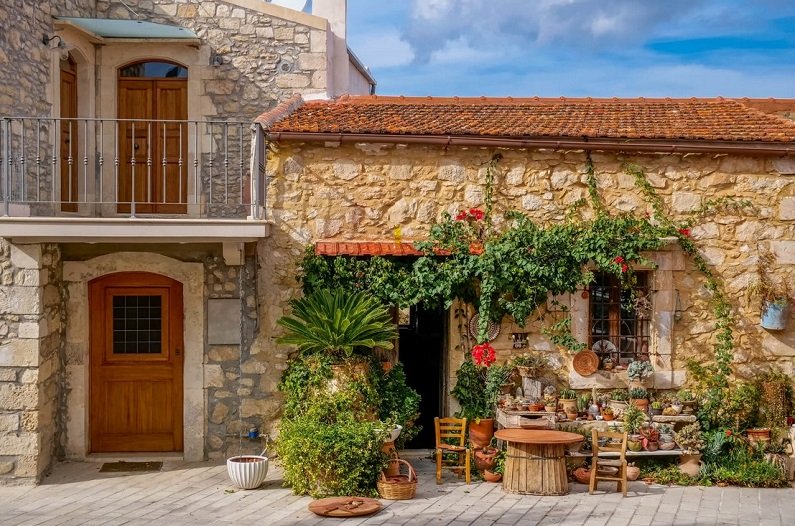
The village, which has some extraordinary architecture and lovely narrow winding streets, is well worth exploring.
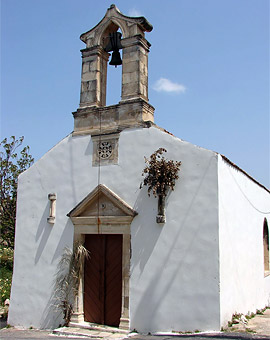
The church of Agios Ioannis Theologos has frescoes from 1383.
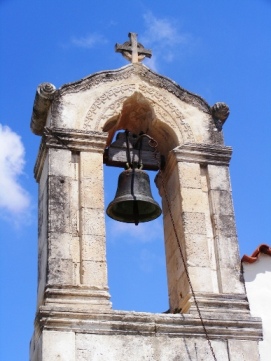
There are Venetian doorways, Byzantine churches and plenty of cafés to relax in, perhaps to try a Greek coffee.
Taverna Mantalos - with great views of the local countryside and traditional Cretan food.
On the mouth-watering menu are skordalia, courgette balls, broad beans, black eyed beans, stuffed vine leaves and fried snails, and those are just the mezedakia!
Thank you to Giannis Markarkis for the beautiful image below.
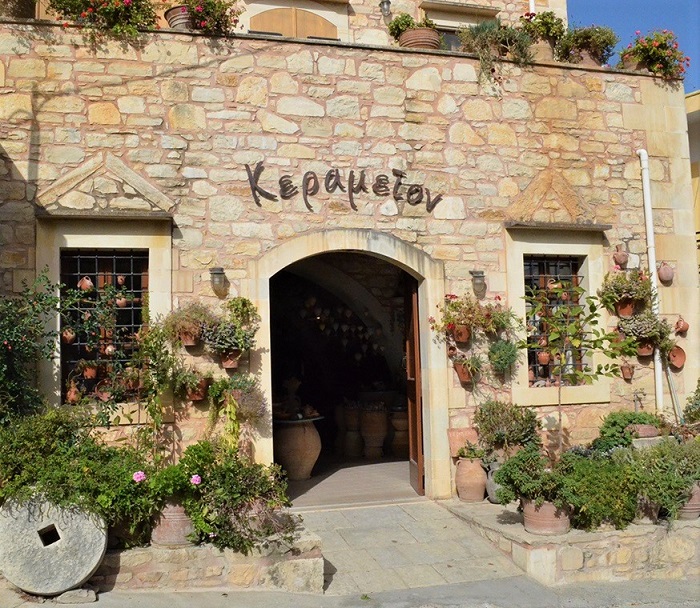
Visit Kerameion - a local ceramic studio with potters Giorgis Dalambelas and Mariniki Mania who are partnered with the Psiloritis UNESCO Global Geopark, safely sourcing local materials.
Where to Stay
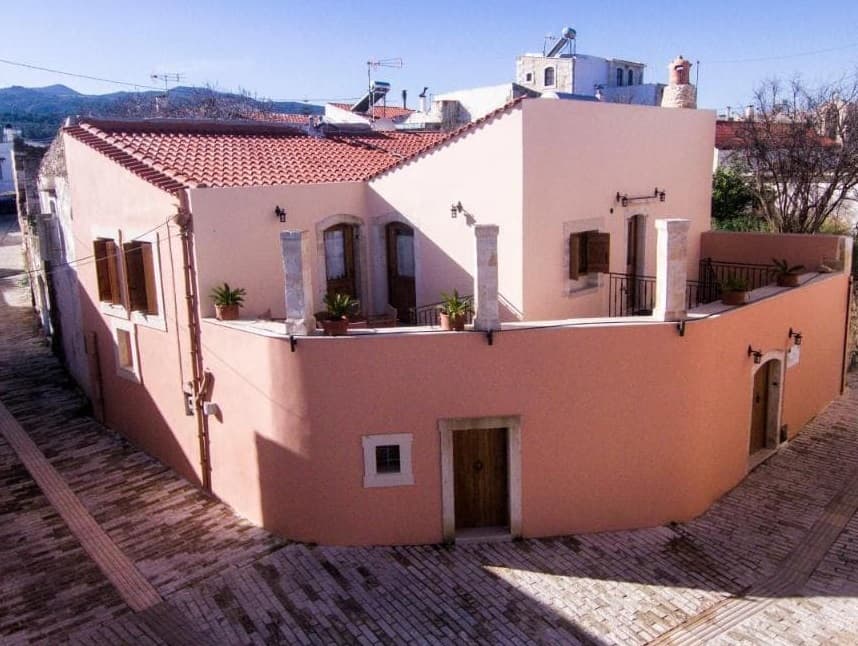
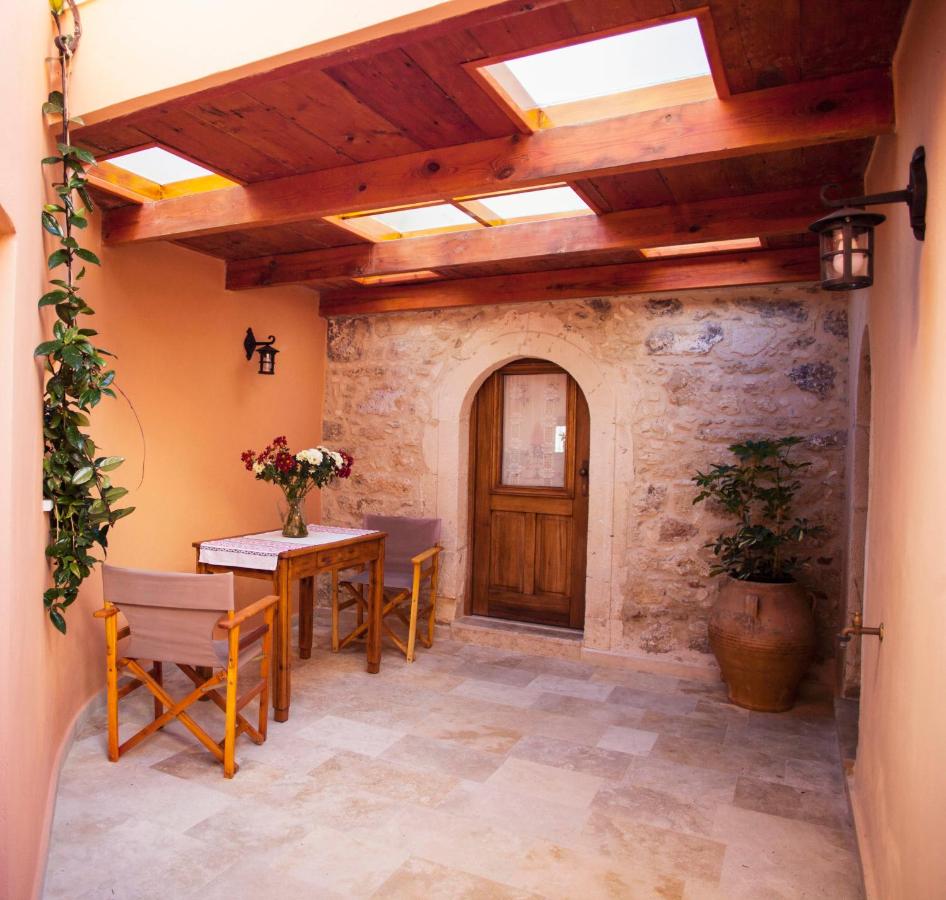
Ariadne Traditional Home - within the village of Margarites, with easy walking distance to everything. This comfortable cosy home offers 3 bedrooms and 2 bathrooms for 6 guests. Cook in your own fully-equipped kitchen and live like a local.
"Highly recommended! We stayed here for a week with our family of six adults. The house is truly unique. Very cozy and perfectly fine. Nice beds with good sheets and towels. Nice bathrooms that were very neat. The communication with the landlord was smooth and friendly. The village is very cozy with friendly people and known for the ceramic workshops. Due to the central location we were able to make excursions to all coastal areas."
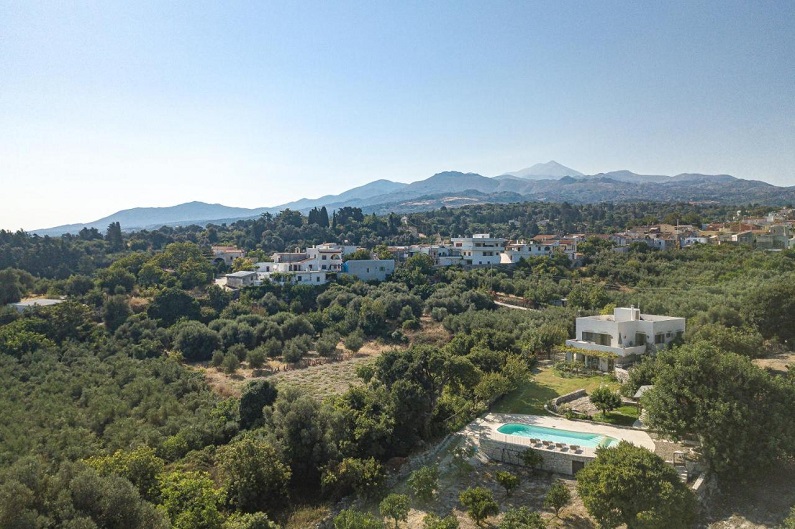
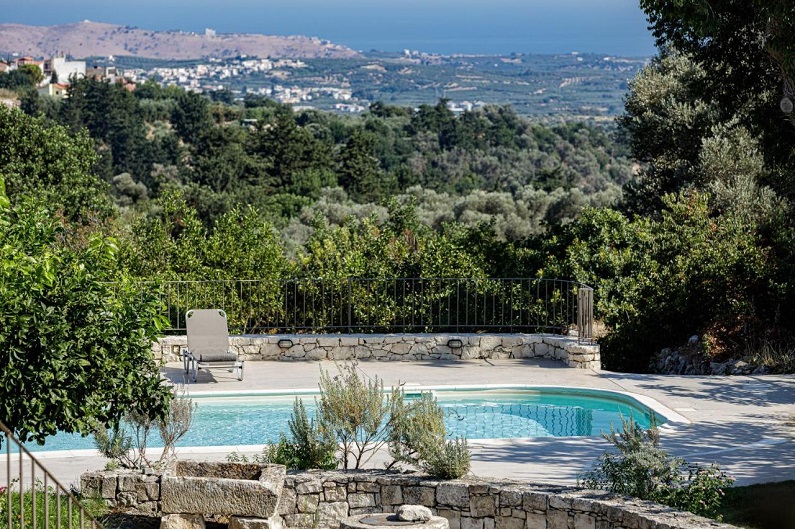
Mithonies Villa, sitting outside of the village in a peaceful natural setting, with 3 bedrooms, 2 bathrooms, full kitchen, terraces and a pool, it is a tranquil retreat for the whole family.
Less than 1 km from Margarites village, and 25 km from Rethymnon town.
"The villa is close to shops and restaurants on foot (barely 5 minutes), while being out of the way to feel like being alone in the middle of the mountain.
Magnificent view.
Hostess available if needed, as well as Thinkvilla's team that makes sure you have everything you can to further improve your stay.
Very large villa and large bedrooms.
Games were made available by our hostess for our 2 1/2 year old daughter.
The pool is very nice."
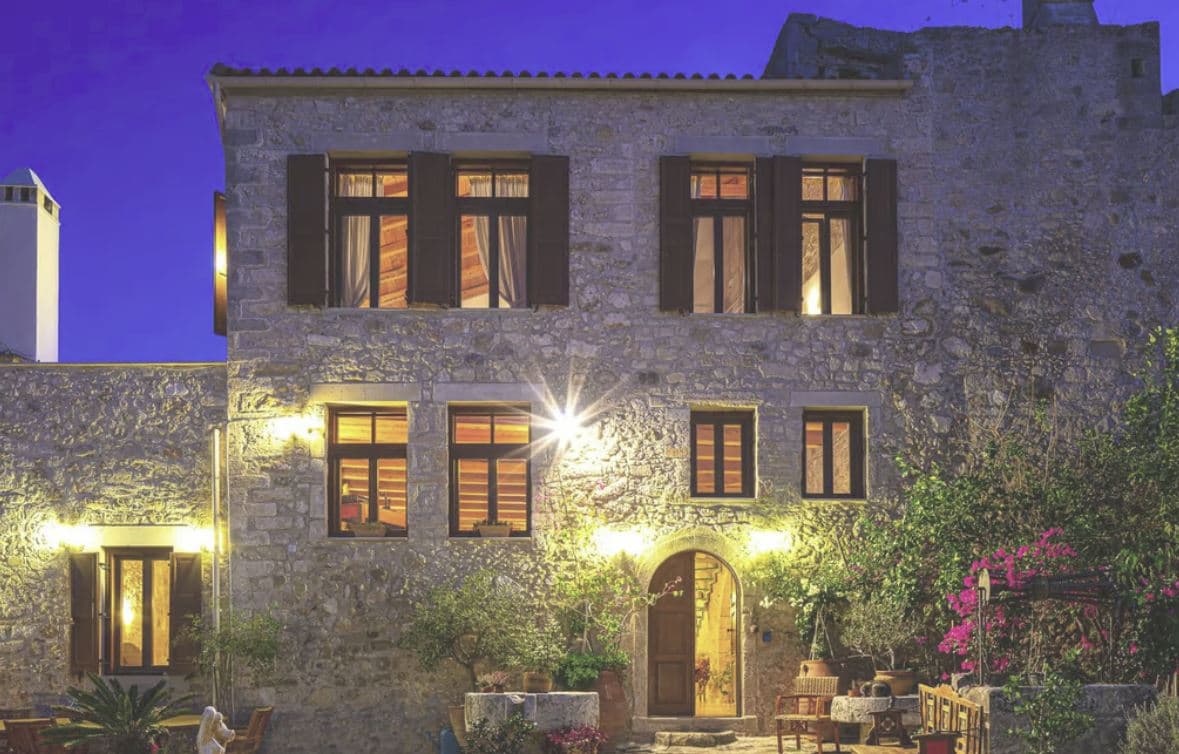
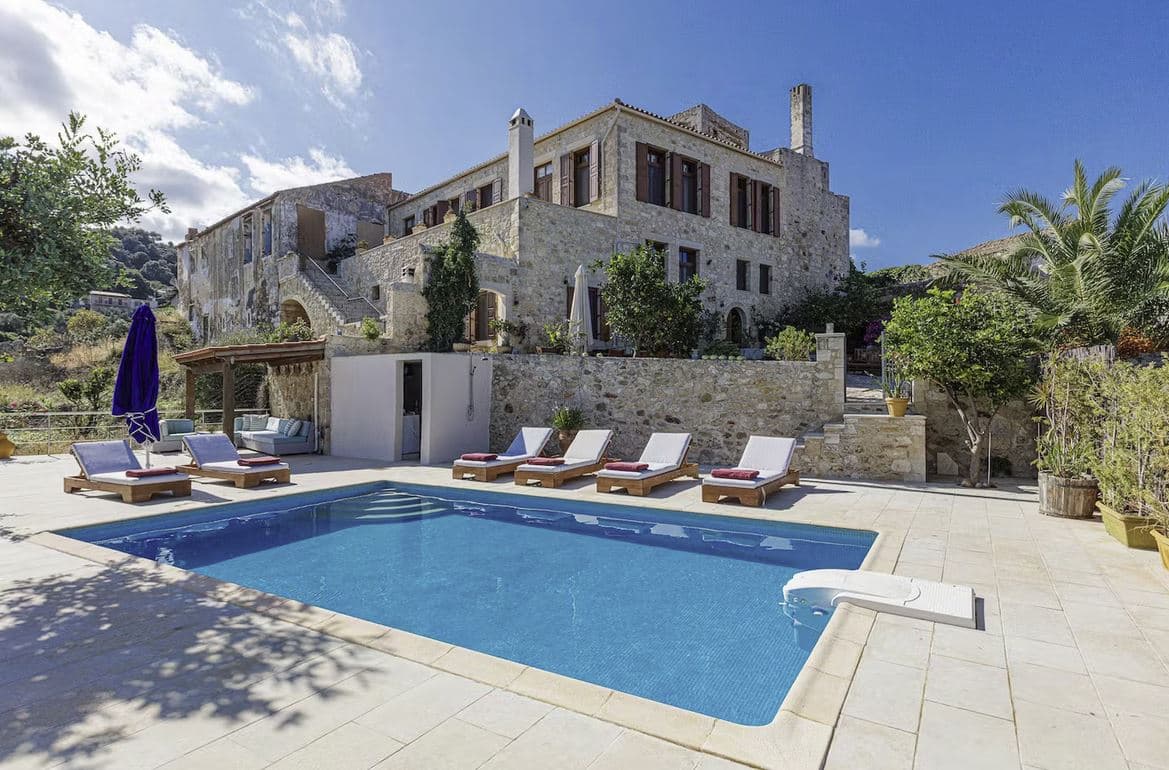

Aegean Vision Villa - a fairytale modern villa built in traditional style just outside the village of Maroulas in Rethymno, 25 km from Margarites and 15 km from Arkadi Monastery. Welcoming 12 guests in 4 bedrooms and 4 bathrooms, this is ideal for a family gathering with access to the beautiful Venetian Old Town of Rethymnon, beautiful beaches and close to the villages in the hinterland such as Margarites.
Around and About Margarites
The nearby Melidoni Cave has a rich history. Artifacts
from the cave are displayed in the Archaeological Museum of Rethymnon.
The myths surrounding the cave include the extraordinary story of Talos,
a bronze giant. This creature circled Crete twice every day throwing
rocks at invaders and pirates. The myth says that Medea, an enchantress,
removed his special thorn and he bled to death.
Other myths tell of his encounters with Jason and the Argonauts.
Melidoni Cave also has a tomb and a plaque marking the death of 340 Cretan men, women and children killed by the Turks in 1824. The people had hidden in the cave and refused to surrender. The Turks lit a fire and all were asphyxiated.
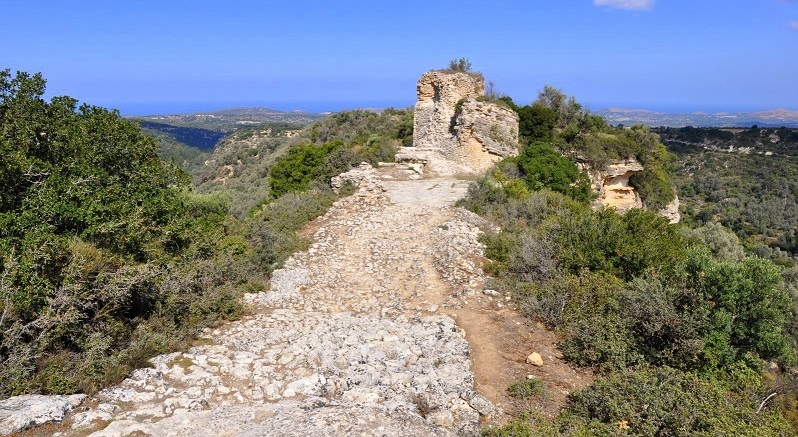
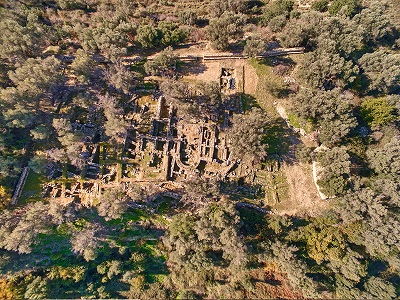
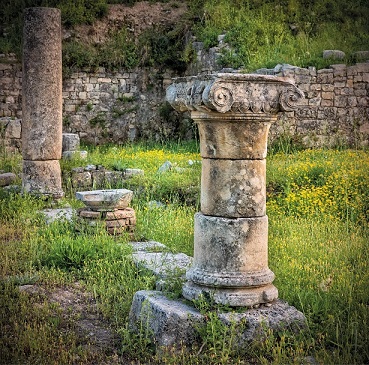
Eleftherna Tower, (above) a Dorian and later Roman settlement, is 5 km from the village. This historic site is spectacular and surrounded by hills and gorges. There are remains of a fortified tower from Hellenic and Byzantine eras.
Visit the Museum and Archaeological Site of Ancient Eleftherna less than 7 km from the village. Opened in June 2016, this wonderful modern exhibitions shows historic artifacts from 3000 BC to 1300 AD. The archaeological site and the museum are 2.8 km from each other. Leave time to visit the Kafenio Filio in between.
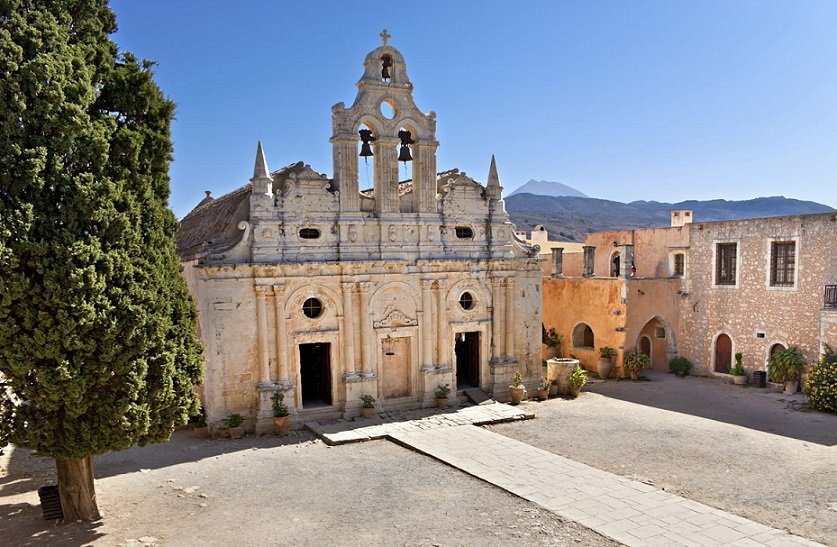
Arkadi Monastery (below) is 16 km from here, through rolling hills and gorge country. This
active monastery is well worth a visit for the architecture alone, yet
it tells one of the most compelling stories of Crete's rebellious
history.
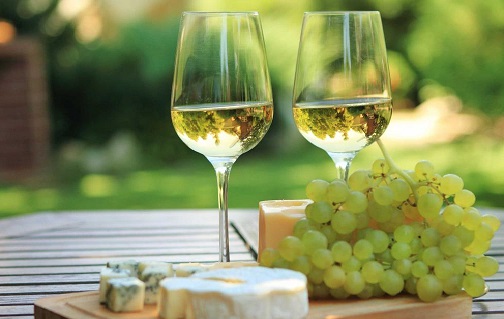
The Metaxakis Winery (below) is located just 1 km from Margarites, offering
reds, whites and rosés, with tours and tastings during the open season,
upon request.
The Kourkoulou Winery (below) is to be found on country roads 33 km from
Margarites,
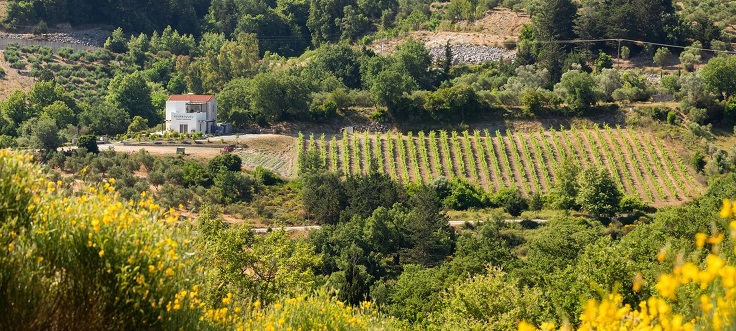
at the foothills of Psiloritis, next to the gorge of Agios Antonios at Patsos. Here at the estate you can taste and purchase wine from May
to October between 11am and 5pm.Try their reds, whites and rosés.
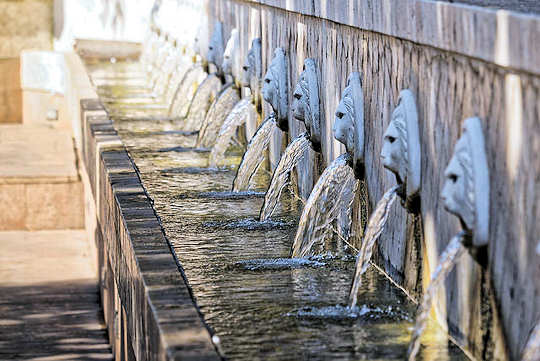
The village of Spili (below) is a hub in the centre of the Rethymnon region, with a pretty water fountain with lion's heads, which can be visited on a day trip from Rethymnon including Margarites, Arkadi Monastery and the Amari Valley.
Rethymnon Old Town
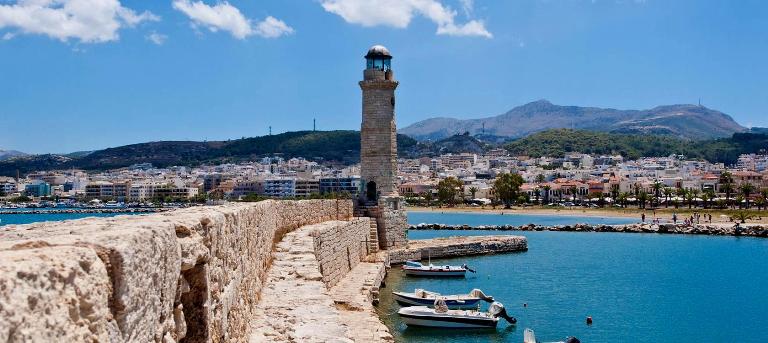
Enjoy the highlights of the Old Town of Rethymnon:
- The characteristic narrow streets
- The tightly packed little Old Venetian Harbour
- The tiny Rimondi Fountain on the north end of Petichaki Square
- The Venetian Loggia
- The ruins of the Venetian Fortezza
- The Porta Guora or Great Gate which formed the entrance to the old town
- The Minaret of the Nerantze Mosque
- The Historical and Folk Museum
- Take a walking tour of the historic town with a meal and phyllo workshop
- Take a ride on an old pirate ship to hidden caves and beaches
Experience Margarites
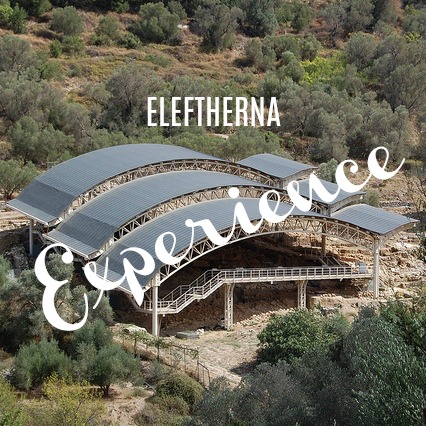
Day Tour of Ancient Eleftherna, Margarites and Rethymnon Region - this full-day tour offers a journey through the ages and some of the prettiest countryside of Rethymno. With a knowledgeable guide, explore Ancient Eleftherna, Arkadi Monastery, Margarites Village and enjoy a local Cretan lunch at a traditional taverna in Asteri Village. 10 hours.
4.9 / 5 | 118 Reviews
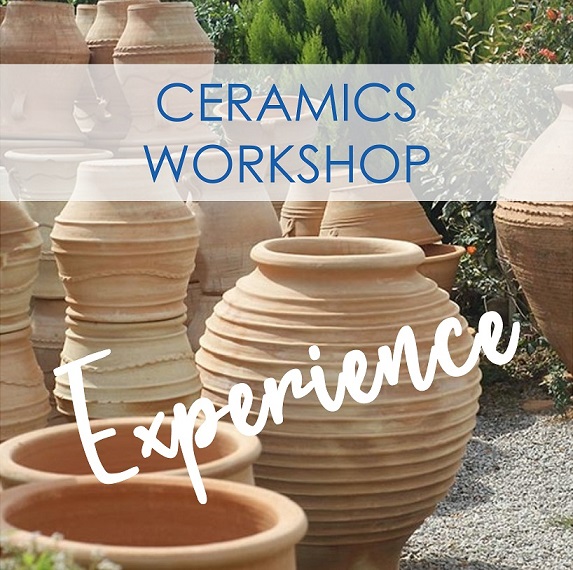
Cretan Culture Tour and Pottery Workshop - departing from Rethymnon town and surrounds, visit ancient Eleftherna, the Arkadi Monastery, Margarites village and see a pottery workshop with experienced local craftspeople. Relax for lunch in Margarites before visiting an olive farm and the Melidoni Cave. Full day tour.
4.4 / 5 | 10 Reviews
On the Map
See the location of Margarites on the map of Crete.
Map of Rural Accommodation
Below you will see rural guesthouses, cottages, pensions and eco houses in Crete.
Getting Here
Take a 1 hour flight from Athens to Heraklion with Aegean Airlines or Olympic Air, with many flights available per day.
Or take a 9.5 hour overnight ferry from Pireaus port of Athens to Heraklion port.
More on flights and ferries below.


Car hire in Crete is a really good idea as it is a large island 60 km by 260 km. There is so much to explore.
When you book with our car rental partners - Rental Centre Crete - you are supporting a local company with excellent service and easy online booking. We are sure you will be well looked after by the team. Choose from hybrid, electric or regular vehicles.



We trust you have enjoyed these tips from the We Love Crete team. Evíva!
Yiásas!
Anastasi, Apostoli & Katia
are the We Love Crete team
We just love sharing our passion for Crete, Greece and travel
About us Contact Us Kaló taxídi!
About the Team
Yiásas!
Anastasi, Apostoli & Katia
are the
We Love Crete team
We just love sharing our passion for Crete, Greece and travel
About us